NINGBO BEST-HOME IMP.& EXP. CO.,LTD
News
Products

How Does a Nail Lamp Influence Professional Manicure Standards Worldwide?

2025-12-18
How Does a Nail Lamp Influence Professional Manicure Standards Worldwide?

Article Abstract

A nail lamp is a foundational tool in contemporary manicure processes, enabling efficient curing of gel-based nail products through controlled light exposure. As gel nail systems continue to dominate both professional salons and home-use markets, nail lamps have evolved into highly specialized devices that combine optical engineering, thermal management, and user-centric design. 

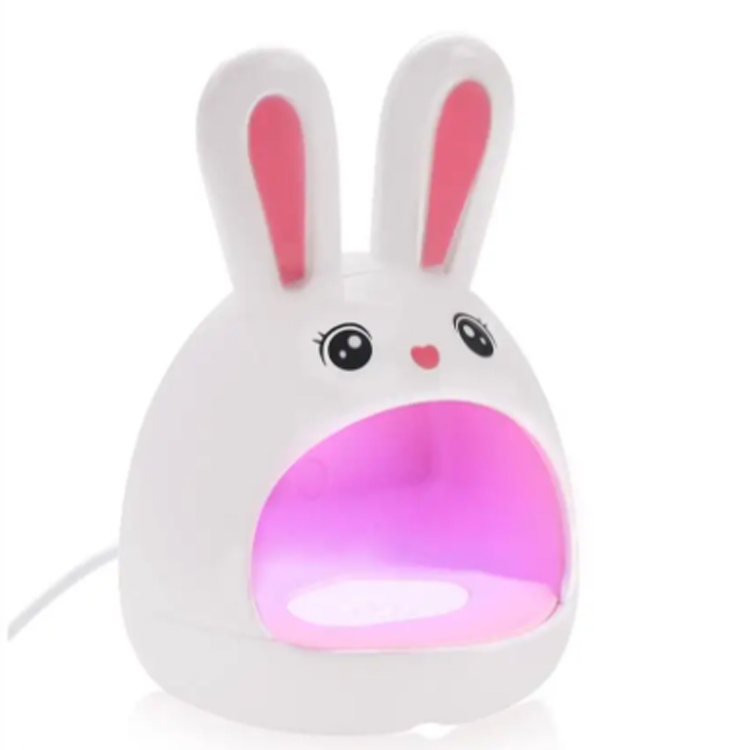
Factory Direct Sales Cute Little Led Rabbit Baking Lamp


Table of Contents


Article Outline

  • Scientific principles behind nail lamp curing
  • Detailed explanation of product parameters and configurations
  • Scenario-based application analysis
  • Frequently asked questions with technical answers
  • Brand reference and professional contact guidance

How Does a Nail Lamp Enable Gel Nail Polymerization?

A nail lamp operates by emitting light at specific wavelengths that activate photoinitiators contained within gel nail formulations. Once exposed to this light energy, the photoinitiators trigger a polymerization reaction that transforms liquid gel into a solid, cross-linked structure. This process is fundamental to achieving the durability, gloss, and adhesion expected from modern gel manicures.

Most contemporary nail lamps utilize LED light sources rather than traditional UV fluorescent tubes. LED systems are engineered to emit light primarily within the 365–405 nanometer range, which aligns with the activation spectrum of commonly used photoinitiators such as camphorquinone and related compounds. This alignment ensures efficient curing while minimizing unnecessary radiation output.

Optical design plays a critical role in curing performance. High-quality nail lamps incorporate reflective internal chambers that distribute light evenly across the nail surface. This uniform exposure reduces the likelihood of under-cured edges, uneven hardness, or premature lifting of gel layers. In professional environments, consistent curing results are essential for maintaining service quality and reducing rework.

Thermal regulation is another key factor. During polymerization, gel products release heat, which can cause discomfort if not properly managed. Advanced nail lamps integrate gradual power ramp-up modes, often labeled as low-heat or painless settings, to control temperature increase without compromising curing completeness.


How Can Nail Lamp Parameters Be Assessed Professionally?

Professional evaluation of a nail lamp extends beyond visual design or brand recognition. Technical parameters directly influence curing reliability, operational safety, and long-term usability. Understanding these parameters allows buyers and technicians to select equipment that aligns with specific manicure requirements.

Parameter Typical Range Professional Interpretation
Rated Power 24W – 120W Higher wattage supports faster curing and thicker gel layers
Wavelength Output 365–405 nm Ensures compatibility with mainstream gel formulations
LED Quantity 12 – 48 LEDs Affects light distribution uniformity
Timer Presets 10s / 30s / 60s / 99s Supports layered curing and varied gel viscosities
Auto Sensor Infrared Detection Improves workflow efficiency and reduces power waste
Housing Material ABS / Heat-Resistant Polymer Maintains structural integrity during prolonged use

Electrical stability is equally important. Professional-grade nail lamps are designed with constant-current drivers that maintain consistent output despite voltage fluctuations. This stability prevents performance degradation over time and supports predictable curing cycles.

Compliance with regional electrical safety standards is a fundamental requirement, particularly for devices used in commercial salons. Certifications ensure that insulation, heat resistance, and electromagnetic compatibility meet regulatory expectations.


How Are Nail Lamps Used in Different Manicure Environments?

Nail lamps are deployed across multiple environments, each with distinct operational priorities. In professional nail salons, efficiency and durability are paramount. High client turnover demands fast curing cycles, reliable performance, and components capable of withstanding continuous daily use.

Salon-grade nail lamps often feature higher wattage outputs, reinforced housings, and advanced sensor systems. These features support seamless workflow integration and reduce downtime caused by equipment failure or inconsistent curing.

Home manicure environments present a different set of requirements. Users typically prioritize ease of use, compact size, and intuitive controls. While power output may be lower than professional models, modern home-use nail lamps increasingly incorporate technologies once reserved for salons, such as dual-wavelength LEDs and intelligent timers.

Educational institutions and training centers represent another important application scenario. Nail lamps used in these settings must deliver consistent results to support skill development and standardized instruction. Reliability and repeatability are critical, as students rely on predictable curing outcomes to evaluate technique.

Mobile nail technicians also depend on portable nail lamps designed for transportability without sacrificing performance. Lightweight construction, energy efficiency, and compatibility with portable power sources are common considerations in this segment.


Common Questions About Nail Lamps

How long should gel nails be cured under a nail lamp?
Curing time varies based on lamp wattage, LED efficiency, and gel formulation. Most standard gel polishes cure within 30 to 60 seconds under an LED nail lamp. Builder gels, sculpting gels, or dark pigments may require extended curing cycles to ensure complete polymerization.

How can curing consistency be improved?
Consistent curing depends on even light exposure and proper hand positioning. Selecting a lamp with well-distributed LEDs and reflective internal surfaces, combined with correct placement of the hand or foot, significantly reduces uneven curing risks.


How Is Nail Lamp Technology Advancing Over Time?

Nail lamp development is closely linked to innovation in gel nail chemistry and changing consumer expectations. As gel formulations become more advanced, nail lamps are adapting through broader wavelength coverage and smarter power control systems.

Future nail lamps are expected to integrate adaptive output technologies that automatically adjust power based on gel type and layer thickness. Such systems improve curing accuracy while enhancing user comfort.

Sustainability considerations are also shaping product design. Energy-efficient LEDs, recyclable materials, and extended component lifespans contribute to reduced environmental impact. These factors are increasingly valued by professional buyers and end consumers alike.

Digital integration represents another area of growth. Intelligent monitoring, usage tracking, and diagnostic feedback may become standard features in high-end nail lamps, supporting quality control and maintenance planning in professional settings.


Industry References

  • International electrical safety standards for cosmetic equipment
  • Professional nail technology publications
  • Dermatological research on cosmetic light exposure

Brand Reference and Professional Contact

As an established supplier in the beauty appliance sector, BEST-HOME focuses on delivering nail lamp solutions that balance technical reliability with practical usability. Each product is developed with attention to performance stability, material quality, and real-world application needs.

For detailed specifications, customization requirements, or cooperation opportunities, please contact the BEST-HOME professional team. Direct communication enables accurate product matching and efficient support for both commercial and personal manicure applications.

Related News
X
We use cookies to offer you a better browsing experience, analyze site traffic and personalize content. By using this site, you agree to our use of cookies. Privacy Policy
Reject Accept