NINGBO BEST-HOME IMP.& EXP. CO.,LTD
News
Products

How Can Outdoor Sports Gear Make Every Adventure Safer and More Comfortable?

2026-02-05 0 Leave me a message

Outdoor Sports can look simple from the outside: step outdoors, move your body, feel better. In reality, most people quit (or quietly dread it) for a handful of predictable reasons—bad visibility, cold hands, fogged lenses, sunburn, heavy bags, gear that doesn’t fit, and the annoying feeling that you bought the “right” item… but it still doesn’t work in real conditions.

This guide is written to solve those pain points with practical choices you can apply whether you’re a weekend hiker, a winter-sports beginner, or a retailer trying to stock products that people actually keep using. Along the way, I’ll also share how Ningbo BEST-HOME Import and Export Co., Ltd. approaches Outdoor Sports product sourcing with usability and real-world conditions in mind.


Abstract

Outdoor Sports should feel energizing—not stressful. This article breaks down the most common problems that ruin outdoor experiences (fog, glare, UV exposure, poor fit, bulky kits, low durability) and shows you how to build a minimal, dependable setup for different conditions. You’ll get a simple starter approach, a “don’t-buy-this-until-you-check-that” checklist, a comparison table for key gear categories (winter eye protection, sun protection, compact optics), and a FAQ section that answers the questions buyers ask most.


Table of Contents


Outline

  • Identify the real blockers: comfort, visibility, safety, and motivation
  • Build a minimal kit based on conditions, not hype
  • Avoid 7 common mistakes that cause wasted money and frustration
  • Dial in winter eye protection: anti-fog, UV, ventilation, helmet compatibility
  • Handle sun and heat: UPF coverage, breathable design, hydration habits
  • Use compact optics for hiking, fishing, birding, and scouting routes
  • Follow a practical checklist and compare products by purpose
  • Maintain gear so it performs consistently across seasons
  • Answer common buying questions with straight, usable advice

Why Outdoor Sports Feel Harder Than They Should

Outdoor Sports

People don’t usually “hate” Outdoor Sports. They hate the friction around it.

  • Visibility problems: Fogged lenses, glare, blowing snow, wind tears, or dust make you tense and cautious.
  • Comfort failures: Straps pinch, frames don’t seal, hats trap heat, and clothing choices cause chafing.
  • Safety uncertainty: Sun exposure, sudden temperature changes, and poor situational awareness can turn fun into anxiety.
  • Overbuying: Too much gear makes outings feel like chores—packing, carrying, maintaining, and storing everything.

The fix isn’t “buy more.” It’s to buy smarter: choose multi-condition essentials, prioritize fit and materials, and avoid features that only work in ideal indoor testing.


Start Smart With a Minimal Kit

If you’re starting (or restarting) Outdoor Sports, build a kit around the conditions you face most often. A minimal kit keeps you consistent, and consistency is what makes outdoor activity actually stick.

  • For cool/windy days: Wind-resistant outer layer, comfortable gloves, and reliable eye protection.
  • For sunny days: UPF-rated coverage (hat + UV-protective eyewear) and hydration planning.
  • For winter sports: Goggles that don’t fog, fit your helmet, and protect from UV reflection off snow.
  • For hiking/fishing/birding: Compact optics (monocular) so you can spot trail markers, wildlife, or water activity without carrying heavy binoculars.

Notice what’s missing: “the perfect everything.” Outdoor Sports gear works best when it’s purpose-driven and used often, not when it tries to do 12 jobs and does none well.


The 7 Gear Mistakes That Ruin Outdoor Days

  1. Buying without checking fit: A great product that doesn’t fit your face/head/helmet becomes a drawer item.
  2. Ignoring ventilation and anti-fog design: In cold conditions, fog isn’t a minor annoyance—it’s a safety issue.
  3. Choosing style over coverage: Narrow brims, weak UV protection, and gaps around eyewear invite sunburn and fatigue.
  4. Overestimating “one-size-fits-all”: Face shapes vary; sealing foam and strap adjustment matter more than most specs.
  5. Buying heavy gear for “just in case”: If it’s annoying to carry, you’ll stop bringing it, and then it’s wasted money.
  6. Skipping lens care: Scratched lenses and degraded coatings destroy clarity faster than you expect.
  7. Assuming cheap = bad and pricey = good: Real value comes from design choices that match conditions: anti-fog layers, UV ratings, durable materials, and consistent QC.

Winter Vision: Fog, Glare, Wind, and Fit

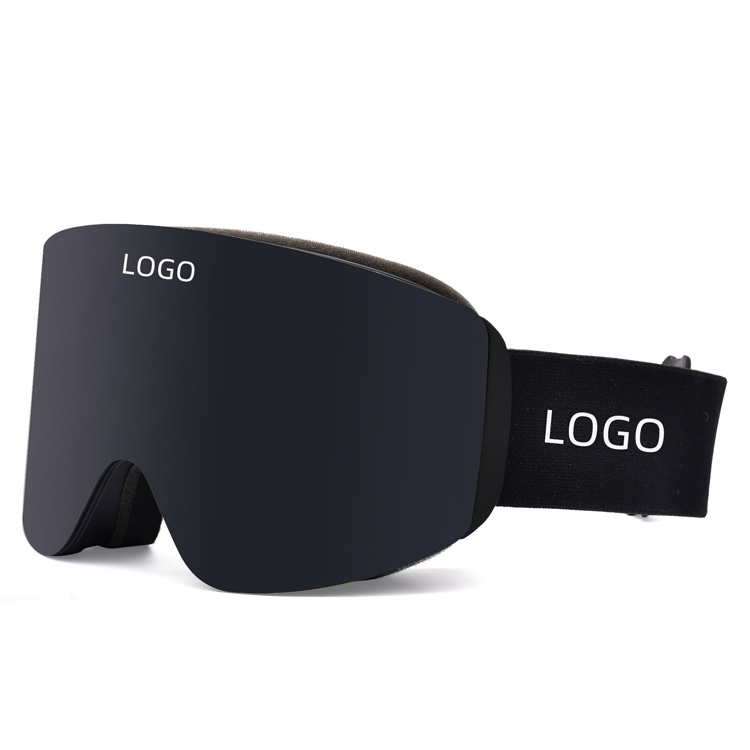
Winter Outdoor Sports (skiing, snowboarding, snow hiking) have one huge make-or-break factor: your vision. If your goggles fog, leak wind, or sit awkwardly under a helmet, you’ll tense up—and that’s when mistakes happen.

  • Double-lens structure: Helps reduce temperature difference that causes fog.
  • Anti-fog performance: Look for designs that combine lens treatment + airflow, not just a coating claim.
  • UV protection: Snow reflects sunlight; your eyes get hit from above and below.
  • Helmet compatibility: The top edge should seal without creating a “gap” that leaks cold air.
  • Strap grip and adjustment: A secure strap keeps the seal consistent even with movement and sweat.
  • Lens options: Photochromic or interchangeable lens systems can help if conditions change fast.

A simple rule: if you can’t breathe calmly while wearing your winter eyewear indoors for 2 minutes without discomfort, it won’t feel better on a windy slope.


Sun & Heat: Protection Without Overheating

Sun protection often gets treated like a “nice-to-have,” until you experience the combo of glare + dehydration + sunburn and realize your outdoor day got quietly wrecked.

  • Coverage that moves with you: A wide brim helps, but a detachable neck flap can be a game-changer for long exposure.
  • UPF-rated fabric: “Looks thick” is not the same as verified UV blocking.
  • Breathable design: If a hat traps heat, you’ll take it off—right when you need it most.
  • Don’t rely on sunglasses alone: Brim + eyewear reduces eye strain and helps you stay relaxed longer.

Practical habit: set a hydration cue (every 20 minutes during active movement). Outdoor Sports performance drops fast when you’re slightly dehydrated, even if you don’t feel “thirsty.”


Compact Optics: See More, Carry Less

Compact optics (like a monocular) are one of the most underrated Outdoor Sports upgrades. They improve awareness without adding much weight—useful for hiking, fishing, trail navigation, wildlife watching, and scouting routes ahead.

  • Portability: Pocket-friendly gear gets used; bulky gear stays home.
  • Field of view: Wider viewing feels easier and less “tunnel-like,” especially when tracking moving subjects.
  • Grip and durability: Outdoor use means drops happen. Look for sturdy housing and a secure feel in hand.
  • Focus control: A smooth focus wheel matters when you’re adjusting quickly in changing light.
  • Use cases: Spot a trail sign far ahead, check weather movement, see activity on the water, or watch wildlife without approaching too close.

If you want more confidence outdoors, better awareness is a direct path—and compact optics are a surprisingly simple way to get it.


Buying Checklist and Comparison Table

Before you buy, decide: What condition is most likely to end my outing early? Cold wind? Fog? Sun? Poor visibility? Then choose one item that specifically fixes that condition.

Gear Category Main Problem It Solves What to Check Before Buying Common Buyer Regret
Winter Goggles Fog, wind, glare, UV reflection Anti-fog design, ventilation, UV protection, helmet fit, strap grip “Looks cool but fogs instantly”
Sun Protection Hat Sunburn, heat fatigue, glare UPF rating, brim width, neck coverage option, breathability, secure fit “Too hot, I never wear it”
Compact Monocular Low awareness, distant viewing Field of view, focus control, durability, comfortable grip, portability “Too heavy / awkward to use”

Quick personal rule for Outdoor Sports purchases: if the product doesn’t reduce friction in the first 10 minutes of use, it’s not the right item for your lifestyle.


Care, Storage, and Longevity Tips

Outdoor Sports

Good gear can become “bad gear” if it’s treated carelessly—especially lenses and coatings.

  • Clean lenses gently: Use a soft cloth; avoid wiping when dust or sand is present.
  • Let gear dry fully: Trapped moisture leads to odor, foam degradation, and reduced comfort.
  • Store away from heat: High temperatures can warp frames and damage lens treatments.
  • Don’t touch anti-fog surfaces: Finger oils reduce performance; handle by edges when possible.
  • Use protective pouches: Scratches happen most often in bags, not during use.

For Retailers and Importers: What Customers Really Want

If you’re sourcing Outdoor Sports products for resale, the customer’s decision is usually emotional first (“Will this make me feel safe and comfortable?”) and logical second (“Is the price reasonable?”). Products that sell consistently tend to share a few traits:

  • Comfort-first fit: Multiple fit options (or designs that suit different face shapes) reduce returns.
  • Clear, usable benefits: Anti-fog that works, UV protection that’s credible, and strap/foam quality that feels “secure.”
  • Thoughtful feature sets: Interchangeable lenses, photochromic options, or temperature-friendly solutions for changing conditions.
  • Private label/OEM readiness: Packaging, branding, and spec flexibility can matter as much as the product itself.

This is where Ningbo BEST-HOME Import and Export Co., Ltd. fits naturally into the conversation: the goal isn’t to push a random catalog—it’s to support buyers who need practical Outdoor Sports items that match real user behavior, seasonality, and retail expectations.


FAQ

Q: What’s the fastest way to improve my Outdoor Sports experience?
A: Fix the #1 thing that ends your outings early. For many people, that’s visibility (fog/glare), sun discomfort, or carrying too much. One well-chosen item can change everything.

Q: Why do goggles fog even when they claim “anti-fog”?
A: Fog control is a system, not a label. It depends on airflow, lens structure, temperature difference, and how the goggle fits your face. A coating alone often isn’t enough.

Q: Do I really need UV protection in winter?
A: Yes. Snow reflects sunlight, increasing UV exposure. Eye strain and long-term risk go up if you skip proper protection.

Q: What should I look for in a sun hat for active use?
A: Verified UPF fabric, breathable construction, secure fit (wind matters), and coverage that doesn’t make you overheat. A detachable neck flap is helpful for long exposure.

Q: Is a monocular actually useful, or is it just a novelty?
A: It’s useful when it’s compact enough to carry every time. It helps with navigation, wildlife viewing, and situational awareness—especially in hiking and fishing scenarios.

Q: I’m buying for resale—how do I reduce returns?
A: Prioritize comfort and fit, publish clear sizing/fit guidance, and choose products with benefits customers can feel immediately (anti-fog performance, stable straps, breathable materials).


Conclusion

Outdoor Sports shouldn’t feel like a gear exam. Pick a small kit that solves the real reasons you stop, and you’ll go out more often—comfortably, safely, and with far less frustration. If you’re sourcing Outdoor Sports products for retail, promotional projects, or OEM customization, choose items that match real user conditions rather than showroom perfection.

If you want product recommendations, specification options, or private-label support for Outdoor Sports categories, contact us to discuss your target market, seasonal needs, and the features your customers actually ask for.

Related News
Leave me a message
X
We use cookies to offer you a better browsing experience, analyze site traffic and personalize content. By using this site, you agree to our use of cookies. Privacy Policy
Reject Accept